

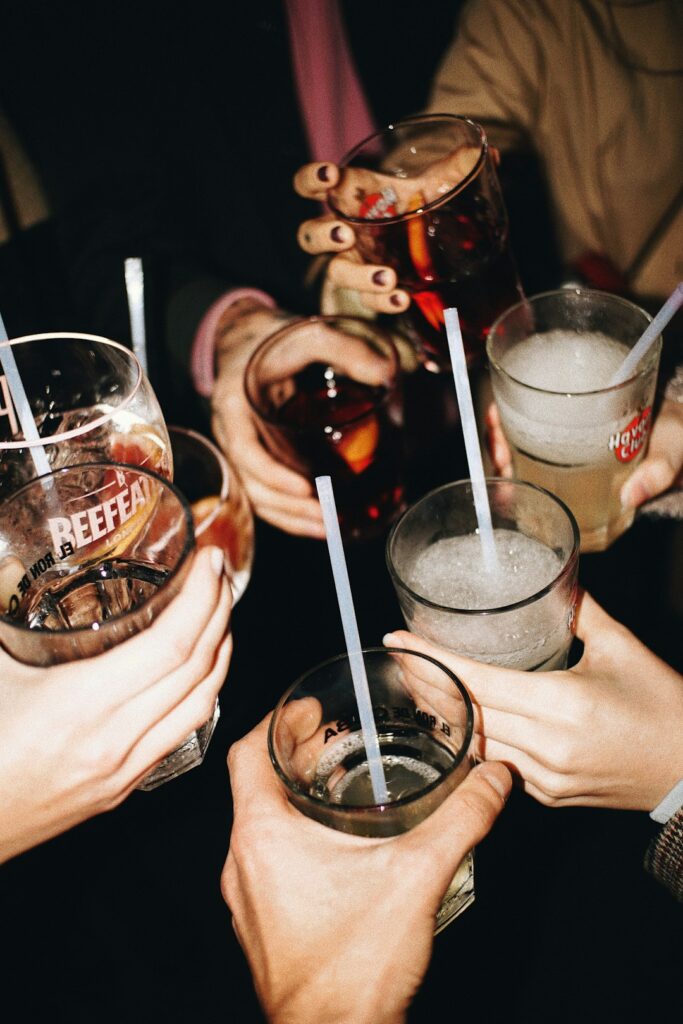
Adults who skip alcohol still have plenty of thoughtful drink choices beyond water, soda, or overly sweet juice. The most satisfying options balance flavor, temperature, texture, and presentation while fitting the occasion—whether that means a restaurant meal, a family gathering, a work event, or a quiet evening at home.
For residents of Middletown, DE, seasonal conditions also shape what feels appealing. Cold drinks and sparkling flavors tend to work well during hot, humid summers, while warm tea, spiced cider, and richer alcohol-free drinks can be more comfortable during cooler months.
What counts as a non-alcoholic drink?
A non-alcoholic drink is generally made without alcohol, but the label can mean different things. Some beverages are naturally alcohol-free, such as coffee, tea, lemonade, and flavored seltzer. Others are designed to imitate beer, wine, or cocktails and may contain trace amounts of alcohol depending on how they are produced and labeled.
People avoiding alcohol for health, recovery, pregnancy, medication-related, religious, or personal reasons should read labels carefully. Terms such as “alcohol-free,” “zero-proof,” and “non-alcoholic” may not always have identical legal or manufacturing definitions.
Useful questions include:
- Does the drink contain any alcohol?
- Is it made in a facility that also produces alcoholic beverages?
- Does it contain caffeine, herbal ingredients, or added stimulants?
- Is the sweetness coming from sugar, fruit juice, or artificial sweeteners?
- Is the serving size larger than it appears?
A drink can be alcohol-free and still contain substantial sugar, caffeine, sodium, or calories.
Which alcohol-free drinks work well with meals?
The best pairing depends on the main flavors in the food. A drink does not need to imitate wine or a cocktail to complement a meal.
For salty or fried foods: Choose sparkling water with citrus, unsweetened iced tea, or a tart fruit spritzer. Bubbles and acidity can refresh the palate between bites.
For spicy foods: Cooling options such as cucumber water, coconut water, lightly sweetened limeade, or mint tea may help balance heat. Very sugary drinks can sometimes make spicy food feel heavier.
For grilled or roasted foods: Try black tea, chilled hibiscus tea, ginger beer without alcohol, or a drink with tart cherry and citrus. These have enough flavor to stand up to smoky or savory dishes.
For creamy foods: Coffee, unsweetened tea, sparkling water with lemon, and lightly acidic fruit drinks can provide contrast.
For desserts: A small serving of coffee, chai, hot chocolate, or a berry-based spritzer may be more satisfying than another very sweet beverage.
Restaurants and bars can often prepare a simple alcohol-free drink if the request is specific. Asking for “sparkling water with lime,” “unsweetened iced tea with lemon,” or “a tart, not-too-sweet fruit spritzer” gives clearer direction than simply asking for a mocktail.
What are the best alternatives to cocktails?
A well-made alcohol-free mixed drink usually includes the same basic elements as a cocktail: a base, acidity, sweetness, bitterness, aroma, and dilution.
Good combinations include:
- Ginger, lime, cucumber, and sparkling water
- Tart cherry, orange, and rosemary
- Grapefruit, mint, and soda water
- Cranberry, lemon, and fresh herbs
- Pineapple, lime, and unsweetened tea
- Apple cider, cinnamon, and ginger
- Hibiscus tea, lemon, and a small amount of honey
Balance matters more than complexity. A drink made with fruit juice, flavored syrup, and sweet soda may taste enjoyable at first but become tiring quickly. Adding citrus, unsweetened tea, herbs, spices, or carbonation can create a more layered flavor without relying on extra sugar.
For a more adult profile, consider bitter, herbal, smoky, or acidic ingredients. Tonic-style mixers, brewed tea, grapefruit, black pepper, rosemary, basil, and ginger can make a drink feel more substantial without adding alcohol.
Are alcohol-free beers and wines good choices?
They can be useful for people who enjoy familiar flavors, carbonation, or the social ritual of holding a beer or wine-style drink. However, they are not automatically healthier than other beverages.
Some alcohol-free beers contain carbohydrates and calories similar to regular beer. Alcohol-free wines may be sweeter or more fruit-forward than traditional wine because alcohol contributes body and changes how sweetness is perceived. Flavor quality also varies considerably.
Anyone who must avoid alcohol completely should check the product label rather than relying only on the front of the package. A beverage labeled “non-alcoholic” may contain a small amount of alcohol, while “alcohol-free” may indicate a stricter standard depending on the product and jurisdiction.
These drinks may also be unsuitable for people who find the appearance, taste, or ritual of alcohol triggering. There is no single correct choice; the right option depends on the person’s reason for avoiding alcohol.
What are healthier everyday options?
For regular hydration, water remains the simplest choice, but variety can make it easier to drink enough throughout the day. Unsweetened seltzer, plain iced tea, fruit-infused water, and diluted juice are practical alternatives.
A few guidelines help keep everyday choices balanced:
- Use fruit juice as a flavoring rather than the entire drink.
- Choose unsweetened tea or coffee when possible.
- Treat sweetened specialty drinks as occasional choices.
- Watch portion sizes for smoothies, lemonades, and blended beverages.
- Remember that coconut water and sports drinks can contain meaningful amounts of sugar.
- Use sparkling water carefully if carbonation causes bloating or discomfort.

During hot, humid weather, especially after outdoor activity, fluids and electrolytes may both matter. For ordinary daily activity, water and regular meals are usually enough. Electrolyte drinks are more relevant during prolonged sweating, illness, or strenuous exercise, and their sugar and sodium content should be considered.
What should people watch for at restaurants and gatherings?
The main issue is not usually the absence of alcohol; it is unclear preparation. A drink may include a large amount of syrup, sweetened mixer, or juice even when it sounds fresh and sophisticated.
Ask about the ingredients and request adjustments such as:
- Less syrup
- No added sugar
- Fresh citrus instead of bottled sweet-and-sour mix
- Soda water instead of a sweet mixer
- A smaller portion
- A separate garnish rather than a sugary rim
Cross-contact may also matter. If avoiding alcohol is medically or personally essential, ask whether the same shakers, pitchers, garnishes, or serving equipment are used for alcoholic drinks. A clean glass and fresh ice may be appropriate, but the answer depends on the setting and the individual’s needs.
At gatherings, offering at least one clearly alcohol-free option makes social situations more comfortable. Chilled sparkling water, iced tea, lemonade, and a visually distinct fruit-and-herb drink can give adults something enjoyable without making abstinence feel like an afterthought.
How can someone build a simple alcohol-free drink at home?
Start with a basic ratio: two parts non-alcoholic base, one part acidic ingredient, and a small amount of sweetness. Add ice, stir or shake, and finish with water or bubbles.
Examples include:
- Iced hibiscus tea, lime juice, and sparkling water
- Cold-brewed black tea, lemon, and ginger
- Cucumber water, mint, and a splash of grapefruit
- Apple cider, lemon, cinnamon, and chilled soda water
- Tart cherry juice, orange, and crushed ice
Fresh herbs, citrus peels, sliced fruit, spices, and large ice cubes can improve aroma and presentation without requiring specialized equipment. The goal is a balanced drink that suits the meal and the moment—not a complicated substitute for alcohol.