

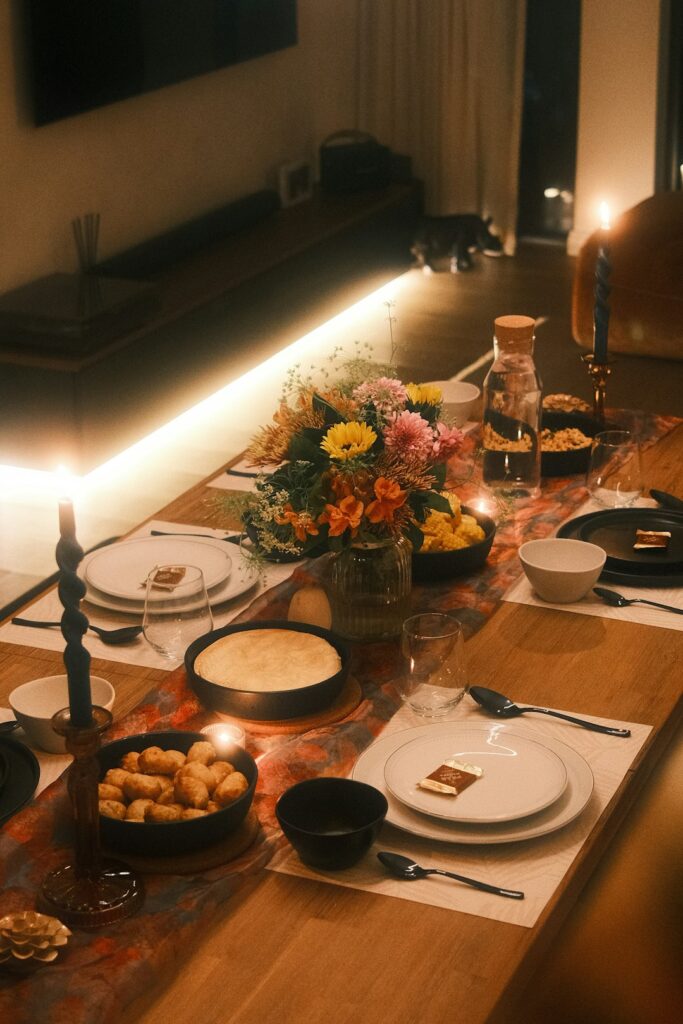
Hosting a memorable dinner party at home is less about elaborate cooking and more about making guests feel comfortable, well-fed, and considered. A successful evening usually comes from a manageable menu, a relaxed pace, and a setting that allows people to enjoy conversation without constant interruption.
For households in Middletown, DE, practical planning also means accounting for seasonal weather, travel time, available kitchen space, and whether guests will gather indoors, outdoors, or between both.
What makes a dinner party memorable?
A memorable dinner party gives guests a clear sense of welcome from the moment they arrive. The details do not need to be expensive or formal. Comfortable seating, food served at a reasonable pace, and a host who is present in the conversation often matter more than decorative extras.
Three elements shape the experience:
- A menu that is flavorful but realistic to prepare
- A table arrangement that encourages conversation
- A schedule that leaves room for flexibility
The goal is not to create a restaurant-style production. At home, guests generally appreciate a setting that feels personal and unhurried. A meal with one well-prepared main course, a fresh side, and a simple dessert can be more enjoyable than a complicated menu that keeps the host in the kitchen.
How should the guest list influence the menu?
The number of guests should determine both the menu and the serving style. A small gathering may work well with individually plated courses, while a larger group is often easier to manage with shared dishes or a buffet arrangement.
Before planning the food, consider:
- Dietary restrictions, allergies, and strong dislikes
- Whether guests prefer alcoholic or nonalcoholic drinks
- The amount of refrigerator, oven, and counter space available
- Whether anyone may arrive late because of work, traffic, or family responsibilities
- The number of people who can sit comfortably at the table
For six to eight guests, a practical menu might include a make-ahead appetizer, one main dish, two sides, bread, and dessert. If the guest list is larger, choose dishes that hold their quality for several minutes after cooking. Braised foods, baked pasta, roasted vegetables, grain salads, and composed desserts are often easier to serve than foods that must be finished individually.
Avoid building the entire meal around one appliance. If the main course, side dish, and dessert all require the oven at the same time, even a small delay can disrupt the evening.
What should be prepared in advance?
The most effective dinner parties separate preparation into stages. Anything that can be completed before guests arrive should be handled early, leaving only simple finishing tasks for the final hour.
A useful schedule might look like this:
- The day before: Prepare sauces, dressings, desserts, marinades, and doughs. Wash produce and check serving dishes.
- Morning of the event: Set the table, chill beverages, prepare make-ahead sides, and organize ingredients by recipe.
- Two hours before: Finish major chopping, assemble dishes that can wait, and tidy the kitchen.
- Thirty minutes before: Warm food, dress salads, arrange appetizers, and change into clothing suitable for hosting.
- During the meal: Keep only the necessary finishing steps active.
This approach is especially helpful during hot, humid summers or cold winter evenings, when outdoor plans may need to change quickly. If using a patio, porch, or yard, have an indoor backup arrangement ready rather than deciding after guests arrive.
How can the table encourage conversation?
Table design should support the people sitting around it. Guests should be able to see one another, reach shared dishes, and place a glass or plate without crowding.
A simple arrangement usually works best:
- Keep the center of the table low enough for clear sightlines.
- Use lighting that is warm but bright enough for guests to see their food.
- Place serving dishes where they can be reached without stretching.
- Avoid overloading the table with decorations.
- Provide enough space for water glasses, utensils, and napkins.
A centerpiece made from seasonal branches, herbs, flowers, or a few small arrangements can add visual interest without taking over the table. Unscented candles are generally preferable to strongly fragranced ones, which may interfere with the aroma of the meal.
If children are attending, consider placing them where serving dishes and glassware are less likely to be knocked over. If the gathering includes guests who do not know one another well, seating people beside at least one familiar guest can make the first part of the evening easier.
What food and drinks should be offered?
A balanced menu usually includes contrast in flavor, texture, color, and temperature. For example, a rich main dish pairs well with something crisp or acidic, while a creamy side benefits from a fresh vegetable or herb-based salad.
A practical menu can include:
- A small appetizer that does not require last-minute cooking
- A main dish that can rest briefly before serving
- One warm side and one room-temperature side
- Bread or another simple starch
- A dessert that can be prepared ahead

Drinks do not need to be elaborate. Offer water from the beginning, along with at least one nonalcoholic option. Sparkling water with citrus, iced tea, or a seasonal fruit drink can feel intentional without requiring complicated preparation.
If serving alcohol, provide food throughout the evening and avoid making alcohol the focus of the gathering. Guests should be able to choose what suits them without explanation.
How can a host stay present during the meal?
A host who disappears repeatedly can make guests feel as though they are waiting for the event to resume. The menu should be designed so that most cooking is finished before people sit down.
Keep a small service area organized with:
- Extra napkins and utensils
- Serving spoons
- A pitcher of water
- Trivets or heat-safe pads
- Containers for leftovers
- Basic first-aid and cleaning supplies nearby but out of sight
It is also reasonable to accept help. A guest may be happy to pour water, carry a dish, or clear plates. Giving a simple task can make the gathering feel collaborative rather than placing every responsibility on one person.
Conversation does not need to be managed formally, but a few open-ended questions can help if the table becomes quiet. Ask about recent discoveries, favorite seasonal foods, books, local events, or upcoming plans. Avoid turning dinner into an interview or debate.
What common mistakes should be avoided?
Several problems appear repeatedly at home gatherings. The most common is choosing a menu that demands too much last-minute work. A second is failing to test a new recipe before serving it to guests.
Other avoidable issues include:
- Serving too many dishes that are rich, heavy, or similar in texture
- Forgetting to label or separate food for guests with allergies
- Seating people where lighting, temperature, or noise may be uncomfortable
- Waiting until guests arrive to arrange drinks and appetizers
- Preparing more food than the available refrigerator can hold
- Ignoring the possibility of rain, wind, heat, or cold during an outdoor meal
Food safety also deserves attention. Keep cold foods chilled, use clean utensils for serving, and do not leave perishable dishes at room temperature for extended periods. Hot foods should remain properly heated, especially during longer meals.
How can the evening end comfortably?
Dessert and coffee do not need to signal an abrupt ending. Move to a more relaxed seating area if available, or clear only the dishes that are no longer needed while leaving water and a few small treats on the table.
A memorable dinner party often ends with guests feeling that the evening had a natural rhythm: they were welcomed, fed, included, and never rushed. That result comes from thoughtful preparation, not from trying to make every detail impressive.