

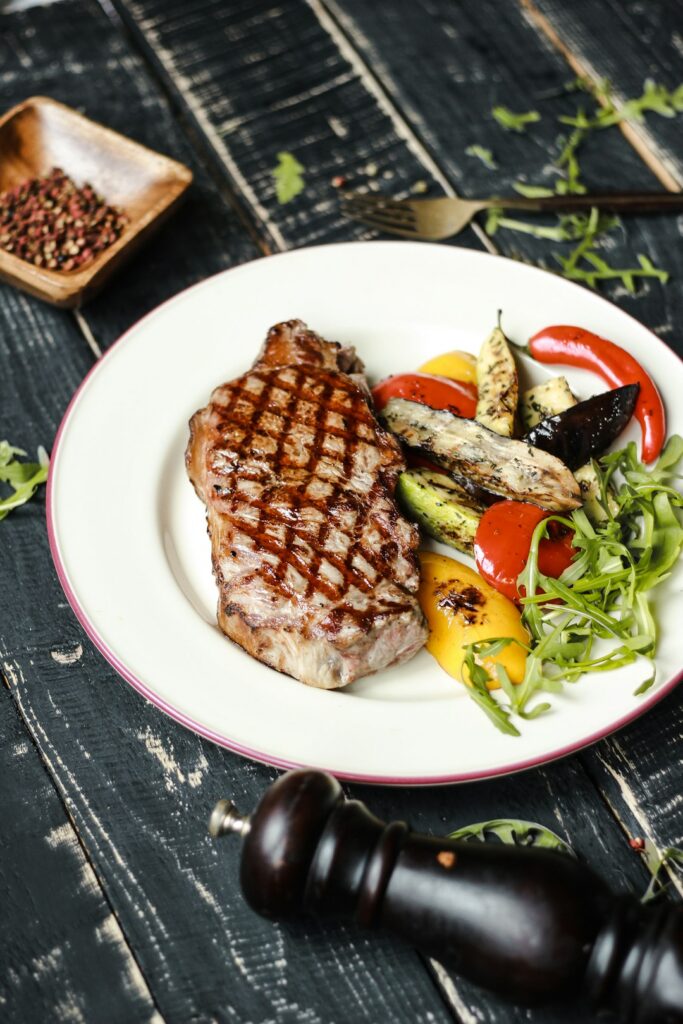
Cooking a steak with a deeply browned crust and a tender, juicy center is less about expensive equipment than careful preparation. Good results come from controlling temperature, drying the surface, using enough heat, and allowing the meat to rest before slicing.
For residents of Middletown, DE, the same basic methods work whether steak is cooked on a kitchen range, an outdoor grill, or a compact countertop setup. Seasonal humidity, cold weather, and limited ventilation can affect how a steak cooks, but the principles remain consistent.
Which steak cuts work best at home?
Ribeye, strip steak, tenderloin, and top sirloin are reliable choices for home cooking. Each has a different balance of tenderness, fat, and flavor.
- Ribeye: Richly marbled and forgiving because the internal fat helps maintain moisture.
- Strip steak: Firm, beefy, and well suited to pan-searing or grilling.
- Tenderloin: Very tender but lean, so it benefits from careful temperature control.
- Top sirloin: Usually leaner and less expensive, with good flavor when not overcooked.
A steak about 1 to 1½ inches thick is easier to cook evenly than a very thin cut. Thin steaks can still taste good, but they may reach the desired internal temperature before developing a substantial crust.
Marbling is generally more useful than sheer thickness or price. Small, evenly distributed streaks of fat tend to provide flavor and moisture. Large sections of exterior fat should be trimmed only when they are unlikely to render during cooking.
Should steak be brought to room temperature?
Letting steak sit out briefly can reduce the temperature difference between the center and the surface, but it does not need to remain at room temperature for hours. Thirty to 45 minutes is usually sufficient for a thick cut.
Food safety matters more than following a rigid “room temperature” rule. Keep raw steak refrigerated until preparation begins, and avoid leaving it unattended on the counter. In a warm kitchen, especially during humid summer weather, a shorter resting period is sensible.
Before seasoning, pat the steak thoroughly dry with paper towels. Surface moisture must evaporate before browning can begin. A wet steak may steam in the pan instead of forming a dark, flavorful crust.
When should steak be salted?
Salt can be added immediately before cooking or well in advance. Salting 30 to 60 minutes beforehand allows the seasoning to dissolve and move slightly into the surface. If there is not enough time for that process, salt just before the steak goes into the pan or onto the grill.
Avoid salting the steak and then leaving it for only a few minutes. At that point, salt may draw moisture to the surface without giving the meat enough time to reabsorb it.
Pepper can be added before cooking, although some cooks prefer to add it near the end to reduce the chance of bitter, scorched flavors over very high heat. Garlic powder, dried herbs, or other seasonings should be used moderately so they do not burn before the steak is finished.
What pan or grill temperature creates a good crust?
The cooking surface should be fully preheated before the steak touches it. A heavy pan retains heat well and makes it easier to monitor browning. A clean, well-heated grill can produce a similar crust while adding a roasted flavor.
The surface should be hot enough that the steak begins sizzling immediately. If the pan is crowded or the steak is wet, the temperature can drop and delay browning. Cook one or two steaks at a time, leaving space around each piece.
Use a thin coating of high-heat cooking fat if the pan requires it. Excess oil can smoke unnecessarily and make the cooking area harder to manage, particularly indoors where ventilation may be limited.
Once the steak is placed down, leave it undisturbed for a few minutes. Moving it too often can prevent the surface from developing an even crust. Turn it when the underside is deeply browned, then continue cooking until the center reaches the desired temperature.
Is a thermometer better than timing?
Yes. A thermometer is more reliable than a cooking chart based only on minutes because steak thickness, starting temperature, pan material, and heat level all vary.
Insert the thermometer through the side of the steak toward the center rather than touching the pan or bone. For a steak intended to finish medium-rare, many cooks remove it from the heat around 125 to 130°F, expecting the temperature to rise slightly during resting. Medium commonly finishes around 135 to 145°F, depending on personal preference.
The United States Department of Agriculture recommends cooking whole cuts of beef to 145°F with a three-minute rest for food safety. People who are pregnant, immunocompromised, elderly, or serving young children may prefer to follow the more conservative approach.
Do not rely on color alone. A steak can remain pink after reaching a safe temperature, while an overcooked steak may have little visible indication of dryness until it is sliced.
How should steak be finished in a pan?
For a thick steak, searing alone may brown the outside before the center reaches the desired temperature. Lowering the heat after the initial sear allows the interior to cook more gently.
A practical pan method is:
- Preheat the pan thoroughly.
- Pat the steak dry and season it.
- Sear the first side until browned.
- Turn the steak and brown the second side.
- Reduce the heat and continue cooking, turning occasionally.
- Check the center with a thermometer.
- Transfer the steak to a clean plate to rest.

Butter, garlic, and fresh herbs can be added during the final minute for aroma, but they are optional. Adding them too early may cause scorching. Spoon the foaming fat over the steak briefly rather than allowing the ingredients to burn in the pan.
What changes when steak is cooked on a grill?
A grill requires attention to two kinds of heat: direct heat for browning and lower or indirect heat for finishing thicker cuts. If the outside darkens quickly while the center remains cool, move the steak to a less intense area and close the lid.
Clean, lightly oiled grates help reduce sticking. The steak should be turned with tongs rather than pierced with a fork, which can release juices. Grill marks are attractive, but an evenly browned surface usually provides more flavor than a pattern of narrow lines.
Outdoor cooking may be less predictable during cold or windy weather. Allow extra preheating time and avoid repeatedly opening the lid. In wet conditions, excess surface moisture can also slow browning.
Why does steak need to rest?
Resting gives the meat time to stabilize after cooking. Cutting immediately can release hot juices onto the plate, leaving the outer portion drier and the center less evenly textured.
For most steaks, five to ten minutes is enough. Place the steak on a clean plate and cover it loosely with foil if needed. Tight wrapping can trap steam and soften the crust.
Slice across the muscle fibers, especially with firmer cuts such as strip steak or sirloin. Shorter muscle fibers are easier to chew. A sharp knife also prevents the crust from being crushed.
What are the most common mistakes?
Several small errors account for most disappointing results:
- Starting with a damp steak
- Using a pan that is not fully heated
- Overcrowding the cooking surface
- Pressing down on the meat
- Relying only on cooking time
- Cutting into the steak repeatedly to check doneness
- Adding butter or delicate herbs too early
- Skipping the resting period
- Using the same plate for raw and cooked meat
A simple process—dry, season, preheat, sear, monitor, rest, and slice—usually produces a better result than adding numerous ingredients or complicated techniques.