

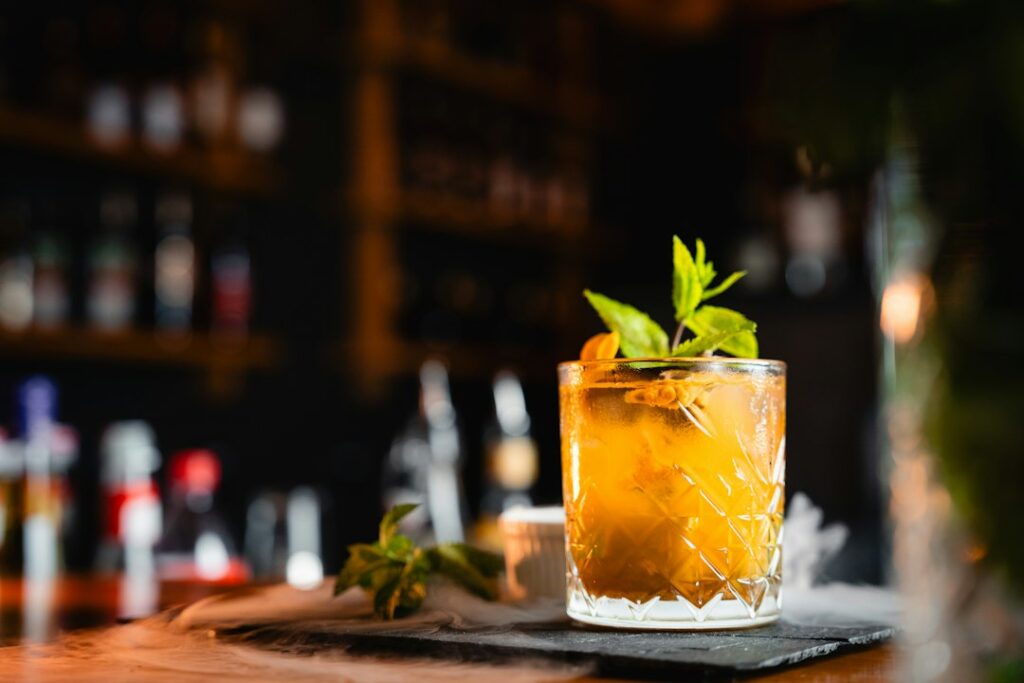
A signature cocktail is a drink built around a clear idea rather than a random combination of spirits, mixers, and garnishes. The most successful versions balance flavor, aroma, texture, appearance, and practicality so the drink tastes intentional from the first sip to the last.
For residents of Middletown, DE, making one at home can be as simple as starting with familiar ingredients and adjusting the recipe to suit the season, the meal, and the people being served.
What makes a cocktail “signature”?
A signature cocktail usually has three defining qualities: a recognizable flavor profile, a repeatable recipe, and some connection to the person or occasion behind it. It does not need an unusual ingredient or complicated technique.
A drink may become distinctive because it uses:
- A preferred base spirit
- A particular balance of sweet, sour, bitter, or savory flavors
- A seasonal ingredient
- A memorable color or garnish
- A preparation method that suits the drink’s character
The goal is not to make the strongest or most elaborate cocktail. A good signature drink is one that can be explained easily, prepared consistently, and enjoyed by the intended audience.
How should the base spirit be selected?
Choose the base spirit according to the flavor and mood desired. Vodka is relatively neutral and allows fruit, herbs, and spices to stand out. Gin contributes botanical notes, while rum can bring sweetness and tropical or molasses-like flavors. Whiskey works well with citrus, ginger, apple, maple, and warming spices. Tequila and other agave-based spirits pair naturally with lime, grapefruit, cucumber, and chili.
Start with one primary spirit rather than combining several. Using multiple liquors can make the drink taste heavy and can hide the flavors that are supposed to define it.
A useful starting point is:
- 1½ to 2 ounces of base spirit
- ¾ ounce of a sour ingredient
- ½ to ¾ ounce of a sweet ingredient
- 1 to 3 ounces of a mixer, depending on intensity
These amounts are only a framework. A cocktail with a sweet liqueur may need less syrup, while a very tart citrus juice may need additional sweetness.
How are sweet, sour, bitter, and salty flavors balanced?
Balance is the central skill in cocktail building. A drink that tastes too sharp needs sweetness or dilution. A drink that tastes flat may need acidity, bitterness, carbonation, or a small amount of salt.
Sweetness can come from simple syrup, honey syrup, maple syrup, fruit juice, or a liqueur. Simple syrup is made by combining equal parts sugar and water, then cooling the mixture. Honey and maple syrup add more flavor but may need to be diluted slightly so they blend smoothly.
Acid usually comes from fresh lemon, lime, grapefruit, or another tart juice. Fresh juice generally tastes brighter than bottled juice, although bottled juice can be useful when consistency and convenience matter.
Bitterness can come from bitters, tonic water, bitter aperitif-style ingredients, tea, citrus peel, or strongly flavored herbs. A few drops of bitters may change the character of a cocktail without making it taste bitter.
Salt is often overlooked. A very small amount can make fruit taste fuller and soften excessive bitterness or acidity. It should be used carefully; the drink should not taste salty unless that is the intended style.
What ingredients work well in a home signature cocktail?
The best ingredients are usually accessible, compatible, and easy to measure. Fresh citrus, ginger, cucumber, berries, apples, herbs, tea, and sparkling water offer many possibilities without requiring specialized equipment.
Seasonal conditions can also guide the recipe. During warm, humid periods, lighter drinks with citrus, herbs, ice, and carbonation may feel more refreshing. In colder months, whiskey, dark rum, apple, pear, ginger, cinnamon, and warm spices can create a fuller drink.
Because household kitchens in the area may have different storage space and shopping routines, it is practical to select ingredients that can be used in more than one way. For example, citrus can flavor the drink, provide a garnish, and brighten a nonalcoholic version. Herbs can be used in cocktails, iced tea, or cooking.
Avoid adding too many distinctive ingredients at once. If a drink includes strong ginger, smoky tea, spicy syrup, several liqueurs, and an herbal garnish, it may become difficult to identify the main flavor.
How can a cocktail recipe be tested and adjusted?
Make a small test serving before preparing a larger batch. Measure every ingredient rather than relying on free-pouring. Taste the drink after shaking or stirring, then make one adjustment at a time.
A simple testing process is:
- Taste for strength: Does the alcohol overpower the other ingredients?
- Taste for acidity: Does the drink seem bright, or is it too sharp?
- Taste for sweetness: Is the flavor round without becoming syrupy?
- Check dilution: Has melting ice softened the drink enough?
- Consider aroma and texture: Does the garnish or carbonation add something useful?

If the cocktail is too strong, add dilution through ice, water, juice, or a mixer. If it is too sweet, add citrus or a small amount of a bitter ingredient. If it is too sour, add a measured amount of syrup. If the flavor seems dull, try a pinch of salt, fresh garnish, or a more aromatic preparation method.
Change only one element at a time. Otherwise, it becomes difficult to tell which adjustment improved the drink.
Should the cocktail be shaken, stirred, or built in the glass?
The preparation method affects temperature, dilution, texture, and appearance.
Shake a cocktail when it contains citrus juice, syrup, egg white, cream, or another ingredient that needs to be thoroughly blended. Fill a shaker with ice, add the ingredients, and shake firmly for about 10 to 15 seconds. Strain into the intended glass.
Stir spirit-forward drinks that contain mostly liquor, fortified wine, or bitters. Stirring creates a smooth texture while limiting aeration. A mixing glass or sturdy container filled with ice can work well.
Build a drink directly in the glass when it contains a simple combination of spirit, mixer, and ice. This method is efficient for highballs, spritz-style drinks, and casual gatherings. Add the heavier ingredients first, then ice and the mixer, and stir gently.
Carbonated ingredients should usually be added near the end and stirred lightly. Shaking them can create pressure and cause spills.
How do garnish and glassware affect the experience?
A garnish should support the drink’s aroma or flavor, not merely decorate it. A citrus peel releases aromatic oils, a herb sprig reinforces freshness, and a few berries can echo the fruit used in the recipe.
Glassware also influences how a drink feels. A tall glass suits a longer, diluted drink with soda or tonic. A smaller glass may be appropriate for a concentrated cocktail served over one large piece of ice. The correct glass is less important than using one that is clean, stable, and appropriately sized.
Keep garnishes simple. An elaborate decoration can be inconvenient, especially when serving several people or preparing drinks outdoors during warmer weather.
How can a signature cocktail be made safer and more practical?
A well-designed cocktail should include a clear serving size and should not encourage rapid drinking. Measure the alcohol, offer water and nonalcoholic choices, and avoid assuming that a colorful or sweet drink has a low alcohol content.
For gatherings, prepare a nonalcoholic version using the same flavor structure. Citrus, herbs, fruit, tea, ginger, and sparkling water can create a complete drink without alcohol. Keep alcoholic and nonalcoholic ingredients clearly separated, especially when serving guests with allergies, health restrictions, religious considerations, or personal preferences.
For outdoor occasions, use covered glasses when possible, keep perishable ingredients chilled, and avoid leaving dairy, egg, or fresh juices at room temperature for extended periods. Any guest who has been drinking should have a safe transportation plan, and no one should drive after consuming alcohol.
A simple formula for creating your own recipe
Begin with a concept such as “bright and herbal,” “spiced and warming,” or “fruit-forward and sparkling.” Choose one base spirit, then add an acidic ingredient, a sweetener, and a supporting flavor.
For example:
- 2 ounces of a base spirit
- ¾ ounce of fresh citrus juice
- ½ ounce of syrup or fruit-based sweetener
- A small amount of an herbal, spicy, or bitter accent
- Ice and a suitable mixer, if needed
- One aromatic garnish
Write down the final measurements after testing. A cocktail becomes truly signature when it can be recreated accurately rather than remembered only by taste. In Middletown, a recipe built around familiar ingredients, seasonal produce, and a thoughtful balance can feel personal without being difficult to prepare.