

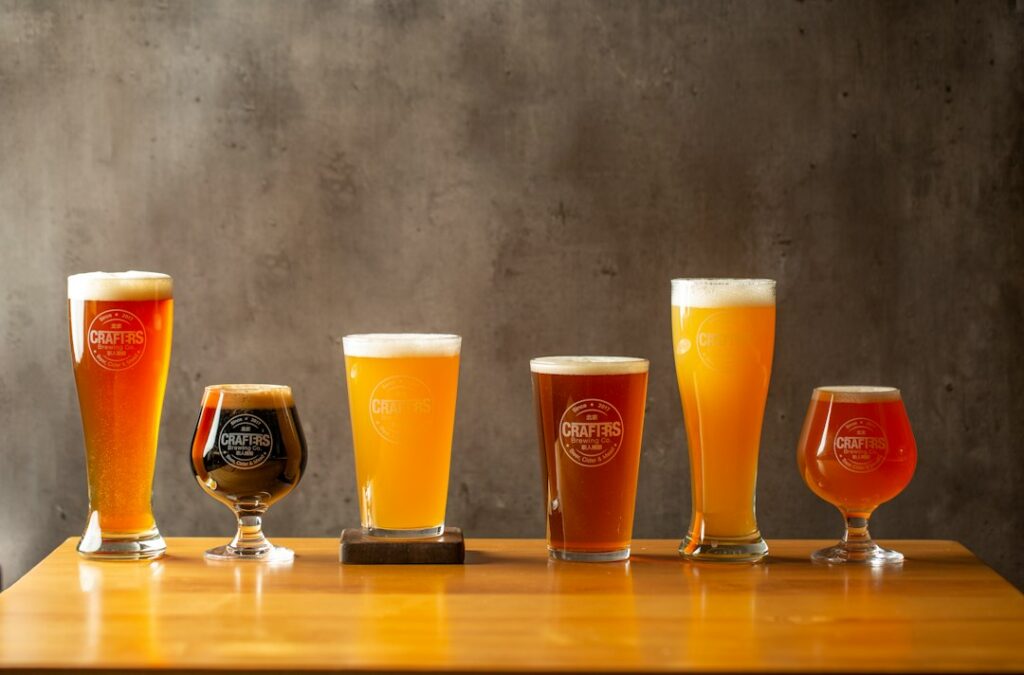
Beer can seem complicated because menus often list dozens of styles, unfamiliar names, and technical terms. The basic idea is simpler: most beers are defined by their ingredients, fermentation method, color, bitterness, strength, and the flavors created during brewing.
For residents exploring restaurant and bar menus in Middletown, understanding a few broad beer families makes it easier to choose a drink based on taste rather than relying only on the name.
What are the main types of beer?
The two largest beer families are ales and lagers. The difference comes primarily from yeast and fermentation temperature, although modern brewing methods can blur the boundaries.
- Ales are generally fermented with yeast that works at warmer temperatures. They often have noticeable fruit, spice, bread, or caramel flavors.
- Lagers are fermented with yeast that works at cooler temperatures and are usually conditioned for a longer period. They tend to taste cleaner, crisper, and more refreshing.
- Wheat beers may be ales or lagers but use a significant amount of wheat in the grain mixture.
- Sour beers are made intentionally tart through specialized yeast, bacteria, or fruit additions.
- Strong or specialty beers can belong to any of these families and are distinguished by higher alcohol content, unusual ingredients, or extended aging.
These categories are useful starting points, but flavor varies considerably within each group.
What is a lager?
Lagers are known for a clean finish and a smooth, refreshing character. They are often lighter in color, but dark lagers can be rich and roasted.
Common lager styles include:
- American-style light lagers: Pale, mild, highly carbonated, and easy to drink.
- Pilsners: Crisp and dry, with more noticeable hop bitterness than many light lagers.
- Vienna lagers: Amber-colored, gently malty, and lightly toasted.
- Dunkels: Darker lagers with flavors of bread crust, caramel, and toasted grain.
- Bocks: Stronger lagers that can taste rich, malty, and warming.
A lager is not automatically low in alcohol or low in flavor. A traditional pilsner may be quite bitter, while a dark lager can offer a deeper malt profile without the heavy texture associated with some ales.
For warm-weather dining and outdoor gatherings, the carbonation and clean finish of a lager can make it a practical choice. During cooler months, a darker lager may provide more malt character while remaining relatively smooth.
What is an ale?
Ales are fermented warmer than lagers and often show more yeast-derived flavor. Depending on the style, an ale may taste fruity, spicy, earthy, bitter, sweet, or roasted.
Important ale categories include:
- Pale ales: Balanced beers with noticeable hop flavor and moderate bitterness.
- India pale ales, or IPAs: Hop-forward beers that may feature citrus, pine, tropical fruit, floral notes, or firm bitterness.
- Amber ales: Maltier and often slightly sweeter, with caramel or toasted flavors.
- Brown ales: Darker but usually moderate in strength, with nutty, toasty, and caramel notes.
- Porters: Dark beers with flavors of cocoa, coffee, toast, and sometimes smoke.
- Stouts: Often full-bodied and roasted, ranging from dry and coffee-like to sweet and creamy.
The word “ale” does not mean a beer must be heavy. Some pale ales are light and highly drinkable, while some stouts are rich enough to serve as a slow-sipping beverage.
Why are IPAs so different from one another?
IPA is a broad family rather than a single flavor. The defining feature is usually a strong hop presence, but hops can contribute bitterness, aroma, or both.
A West Coast-style IPA is often dry, resinous, citrusy, and bitter. A New England-style IPA is typically hazy, softer in bitterness, and strongly flavored with tropical or citrus fruit impressions. A session IPA aims for a lower alcohol level while retaining hop character. A double or imperial IPA usually contains more alcohol and a more concentrated hop profile.
Hazy appearance does not necessarily indicate freshness, sweetness, or quality. It may result from grain, yeast, hop compounds, or brewing technique. Likewise, a clear beer is not automatically more traditional or better made.
People who dislike very bitter beer may still enjoy an IPA with a fruit-forward aroma and softer bitterness. Asking about bitterness, sweetness, and alcohol level gives more useful information than simply asking whether a beer is an IPA.
What are wheat beers?
Wheat beers contain a substantial proportion of wheat, which can create a soft texture and a pale, cloudy appearance. They are commonly divided into two broad groups.
Witbiers are Belgian-style wheat ales often associated with citrus peel, coriander, and a light, refreshing body. They may taste gently spicy and bright.
Hefeweizens are German-style wheat ales known for banana-like fruitiness, clove-like spice, lively carbonation, and a cloudy appearance from suspended yeast.
Some wheat beers are filtered and clear, while others are intentionally cloudy. Cloudiness is not evidence that a beer has spoiled. It is often part of the style, although an unexpected haze in a beer normally served clear may indicate a storage or serving issue.

What makes a beer sour?
Sour beers are intentionally tart. Their acidity may come from lactic acid bacteria, wild yeast, fruit, or a combination of brewing techniques.
Examples include:
- Berliner weisse: Light, tart, and highly refreshing.
- Gose: Tart and often lightly salty, with coriander or citrus-like notes.
- Flanders-style red ale: Complex, tart, fruity, and sometimes reminiscent of wine.
- Lambic-inspired beers: Often dry, earthy, funky, and fruit-driven.
Sour does not always mean sweet. Fruit additions can create an impression of sweetness, but many sour beers finish dry. People who usually prefer cider, sparkling wine, or tart cocktails may find sour styles approachable, although acidity can be surprising for drinkers expecting a conventional beer flavor.
Does dark beer always taste heavy?
No. Color does not reliably predict body, alcohol level, or sweetness.
A dark beer may be light-bodied and dry, while a pale beer can be strong, creamy, or intensely flavored. Roasted grains create dark color and flavors such as coffee, cocoa, toast, or burnt sugar. The amount of grain, residual sweetness, carbonation, and alcohol determines how heavy the beer feels.
A dry Irish-style stout, for example, can be relatively light on the palate despite its dark appearance. An imperial stout may be much thicker and stronger. Looking at alcohol by volume, or ABV, and asking about sweetness provides a better guide than color alone.
How should someone choose a beer from a menu?
Start with the flavor qualities that sound appealing rather than focusing on style names.
Consider these questions:
- Do you want something crisp and refreshing or rich and slow-sipping?
- Do you prefer bitterness, sweetness, tartness, or a balanced flavor?
- Are citrus, tropical fruit, coffee, toast, spice, or caramel appealing?
- Would a lower-alcohol beer suit the occasion?
- Do you prefer a dry finish or a lingering one?
A pilsner or light lager may suit someone seeking a clean, straightforward drink. A pale ale may offer more hop flavor without the intensity of many IPAs. A stout or porter may fit a preference for roasted flavors. A wheat beer can be a reasonable choice for someone who enjoys soft carbonation and mild fruit or spice.
Serving temperature also affects perception. Very cold beer can mute aroma and flavor, while slightly warmer temperatures may reveal more detail in ales, dark beers, and strong specialty styles. A glass can help release aroma, although the quality of the beer depends more on freshness, storage, and proper service than on glass shape alone.
What does “craft beer” mean?
“Craft beer” is generally used to describe beer made by a smaller or independently operated brewery, but the term does not identify a specific flavor or quality level. A craft beer can be light, dark, bitter, sour, sweet, traditional, experimental, low in alcohol, or very strong.
Style names, ingredients, ABV, bitterness, and tasting descriptions are more useful for choosing what to drink. Local menus may also rotate seasonally, especially as preferences shift between lighter beers in warmer weather and maltier or darker styles during cooler periods.
Understanding the major families—lager, ale, wheat beer, sour beer, porter, stout, and IPA—provides enough background to ask better questions and make more confident choices. Beer knowledge does not require memorizing every style guideline; recognizing the flavor and strength you prefer is usually the most practical place to begin.