

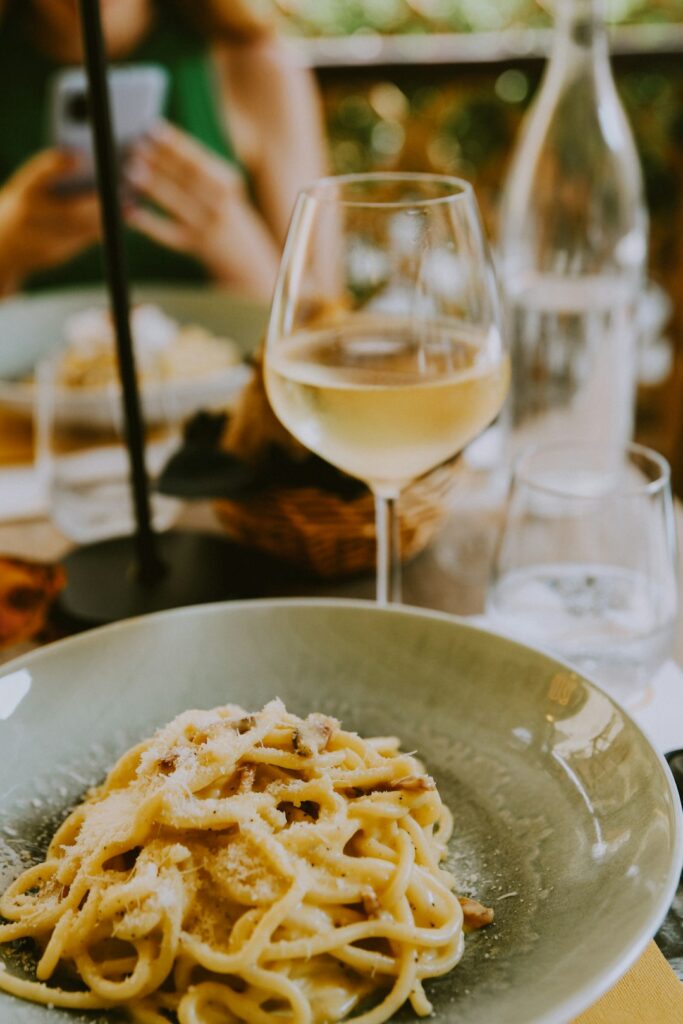
Wine pairing does not require memorizing complicated rules. The most reliable approach is to match the wine’s weight, acidity, sweetness, and texture with the food, while also considering how the dish is prepared. For households in Middletown, DE, this can make everything from a weeknight pasta dinner to a seasonal backyard meal easier to plan.
What is the basic rule for pairing wine and food?
The simplest rule is to balance intensity. Delicate foods generally work better with lighter wines, while rich or strongly seasoned dishes can support fuller-bodied choices.
A few basic principles are especially useful:
- Match rich foods with wines that have enough acidity or structure to stay noticeable.
- Use crisp wines to refresh the palate after creamy, fried, or salty foods.
- Pair sweet wines with foods that are equally sweet or less sweet than the wine.
- Consider the sauce, seasoning, and cooking method rather than focusing only on the main ingredient.
- Regional traditions can offer helpful starting points, but they are not strict requirements.
A grilled chicken breast, for example, may pair well with either a bright white wine or a lighter red. The right choice depends on whether it is served with lemon, cream sauce, barbecue seasoning, mushrooms, or a spicy glaze.
Which wines pair well with common chicken dishes?
Chicken is flexible because its flavor changes significantly with preparation. Lightly seasoned roasted or grilled chicken often works with crisp whites or lighter reds.
For lemon-herb chicken, try a dry white with noticeable acidity, such as Sauvignon Blanc, Pinot Grigio, or unoaked Chardonnay. The wine’s freshness complements the lemon and herbs without making the dish taste heavy.
Chicken in a creamy sauce usually benefits from a fuller white with moderate acidity. Chardonnay can work well, especially when the sauce includes mushrooms, roasted garlic, or butter. A lighter red, such as Pinot Noir, is another option when the dish includes earthy ingredients.
For fried chicken or other crisp, salty preparations, sparkling wine is often a practical choice. The bubbles and acidity help clear the palate between bites. A dry Riesling can also work, particularly when the seasoning includes pepper or a mild amount of heat.
Barbecue-style chicken presents a different challenge. A fruit-forward red with moderate tannins may complement smoky or slightly sweet sauces. Avoid extremely tannic wines if the sauce is very sweet, since the combination can taste harsh.
What wine goes best with steak and other red meats?
Steak and other richly flavored meats usually pair well with medium- to full-bodied red wines. The wine should have enough structure to stand up to the meat without overpowering it.
Cabernet Sauvignon is a familiar choice for grilled steak because its tannins can balance the richness of the meat. Merlot is generally softer and may be easier to enjoy with tender cuts or dishes containing a sweet glaze. Malbec and Syrah can suit grilled or smoked preparations because their fruit and spice notes complement charred flavors.
Preparation matters. A simply grilled steak may support a more structured red, while steak served with a peppercorn or cream sauce may be better with a wine that has softer tannins. If the dish includes mushrooms, Pinot Noir can provide a lighter alternative with earthy flavors of its own.
For burgers, the bun, toppings, and condiments are part of the pairing. A juicy burger with sharp cheese and savory toppings can work with a medium-bodied red. A burger with spicy sauce or pickled vegetables may be more enjoyable with a fruit-forward red or a chilled rosé.
How should wine be paired with seafood?
Seafood is often associated with white wine, but the best choice depends on the fish, sauce, and cooking method.
Light fish such as cod, flounder, or haddock typically pair well with crisp whites. Sauvignon Blanc, Pinot Grigio, and dry sparkling wines can complement grilled, baked, or lightly seasoned preparations.
Rich fish, including salmon, can support wines with more body. Chardonnay, dry rosé, and Pinot Noir are useful choices, especially when the fish is grilled or served with roasted vegetables. The wine should have enough flavor to match the fish’s natural richness.
Shellfish often benefits from wines with lively acidity. Oysters, shrimp, scallops, and crab can pair well with sparkling wine, unoaked Chardonnay, Albariño, or dry Riesling. Butter-based sauces may call for a fuller white, while citrus, herbs, or vinegar-based preparations usually favor a sharper, more refreshing wine.
Tomato-based seafood dishes can be difficult because tomatoes are both acidic and savory. A bright rosé or lighter red may work better than a heavy white, particularly when the dish includes garlic, herbs, or chili.
What wine pairs with pasta, pizza, and tomato sauce?
For pasta, the sauce usually matters more than the noodles. Tomato-based sauces need wines with enough acidity to avoid tasting flat beside the food.
Chianti-style reds, Barbera, and lighter Zinfandel can complement tomato sauces, meatballs, sausage, and baked pasta. Their acidity helps balance the tomatoes, while their fruit flavors work with herbs and roasted ingredients.
Cream sauces often pair better with fuller white wines. Chardonnay can complement Alfredo-style sauces, while Pinot Grigio or Sauvignon Blanc may be better when the dish includes lemon, peas, asparagus, or fresh herbs.
Pesto has strong herbal and garlic flavors. A crisp white or dry rosé can refresh the palate, while a lighter red may work if the pesto is served with roasted vegetables or grilled meat.
Pizza is surprisingly adaptable. Cheese pizza can pair with a medium-bodied red, a dry rosé, or sparkling wine. Pepperoni and sausage generally benefit from wines with enough acidity to cut through fat. Vegetable-heavy pizza may be better with a lighter red or white, depending on the toppings.
How do spicy foods affect wine pairing?

Spicy foods often work best with wines that are low in alcohol, moderately sweet, or both. Alcohol can make chili heat feel stronger, while a touch of sweetness can soften the sensation.
Off-dry Riesling is a dependable choice for spicy Asian-inspired dishes, hot wings, and meals with chili-based sauces. Gewürztraminer and Moscato can also work when the food is highly seasoned, although the wine should not be so sweet that it overwhelms the meal.
For moderately spicy foods, dry rosé and sparkling wine offer refreshing alternatives. Avoid heavily tannic reds with very hot dishes because tannins can make the combination feel more bitter or abrasive.
Can wine be paired with vegetarian meals?
Vegetarian dishes can pair with nearly every major wine style. The key is to identify the main source of flavor and richness.
Roasted vegetables and lentil dishes often work with medium-bodied reds or structured whites. Earthy ingredients such as mushrooms, beets, and eggplant can pair well with Pinot Noir, Grenache, or aged white wines.
Fresh salads with citrus vinaigrette usually need a crisp wine with similar brightness. Sauvignon Blanc, dry rosé, and sparkling wine are practical options.
For dishes with beans, chickpeas, or hearty grains, choose a wine with enough body to match the texture. A medium-bodied red, dry rosé, or fuller white may be more satisfying than an extremely light wine.
What are common wine-pairing mistakes?
Many pairing problems come from focusing too narrowly on traditional rules.
A full-bodied red is not automatically the best choice for every meat dish. If the food is delicate, highly acidic, or spicy, a heavy red may overpower it. Likewise, white wine is not limited to seafood, and red wine is not restricted to steak.
Another common mistake is ignoring sweetness. A dessert or spicy dish can make a dry wine taste thin or sour. If the food contains fruit, honey, sweet barbecue sauce, or a sugary glaze, choose a wine that matches or exceeds the dish’s sweetness.
Serving temperature also matters. White wine served too cold may lose its aroma, while red wine served too warm can taste heavy and alcoholic. Most whites are best chilled but not icy, and many reds are more enjoyable slightly below typical room temperature.
How can residents make pairing easier at home?
Keep a few flexible styles available rather than buying a different bottle for every meal. A crisp white, a medium-bodied red, a dry rosé, and a sparkling wine cover many common foods.
When uncertain, ask three questions:
- Is the dish light, medium, or rich?
- Is it acidic, spicy, salty, sweet, or creamy?
- Would a refreshing wine or a warming, structured wine improve the next bite?
For seasonal meals and outdoor dining during warmer months, chilled rosé, sparkling wine, and lighter whites are often comfortable choices. During cooler weather, fuller reds and richer whites can suit roasted foods, braises, and baked dishes.
The best pairing is ultimately the one that makes both the food and wine more enjoyable. Personal preference matters, and experimenting with small pours is often the fastest way to discover combinations that suit a household’s cooking style.