
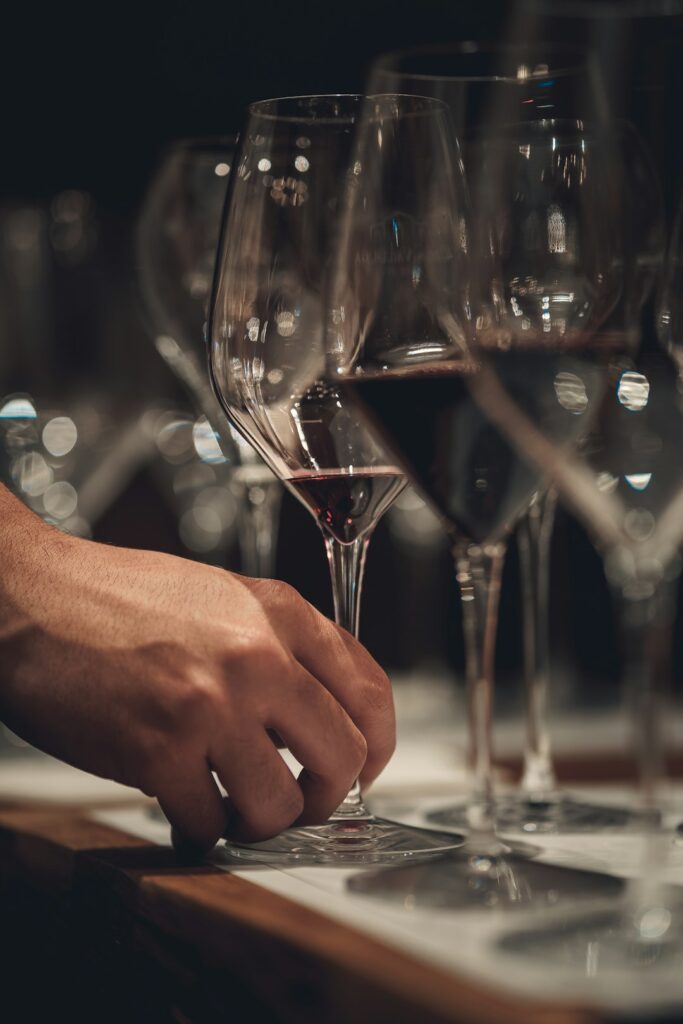
A first wine tasting is usually more relaxed and educational than many people expect. You do not need advanced wine knowledge, a trained palate, or the ability to identify every aroma. The purpose is to sample wines thoughtfully, compare differences, and learn what styles you enjoy.
For residents of Middletown, DE, wine tastings may take place in restaurants, tasting rooms, private events, or organized food-and-drink settings. The format can vary, but the basic experience is similar: small pours, guided observations, and opportunities to ask questions.
What happens during a wine tasting?
Most tastings begin with an explanation of the wines being served and the order in which they will be poured. Wines are commonly arranged from lighter and more delicate to fuller and more intense, although the host may use another sequence based on the theme.
You may receive several small pours rather than full glasses. A typical tasting may include:
- A white, rosé, sparkling, or red wine selection
- A brief description of each wine
- Information about grape varieties, growing regions, or production methods
- Time to smell, taste, and compare each sample
- Small food pairings, depending on the event
The pacing is usually slower than ordinary drinking. Participants are encouraged to pause between sips, notice changes, and discuss what they are experiencing.
Do you need to know anything about wine beforehand?
No. A beginner can participate comfortably without knowing wine terminology. The host may explain terms such as dry, sweet, crisp, full-bodied, acidic, tannic, fruity, earthy, or oaky as they come up.
It helps to remember that wine tasting is not a test. There is no single correct answer when describing what a wine smells or tastes like. If one person notices citrus and another notices flowers, both observations may be reasonable.
A useful starting point is to describe your personal reaction:
- Does the wine smell fresh, fruity, floral, spicy, or earthy?
- Does it feel light or rich?
- Is it dry, sweet, sharp, smooth, or bitter?
- Would you want another sip with food?
Simple descriptions are often more useful than trying to sound technical.
How should you taste the wine?
A traditional tasting method uses four basic steps: look, smell, taste, and reflect.
First, look at the wine in the glass. Color can provide clues about the style, age, or grape, although appearance alone does not determine quality. Hold the glass by the stem when possible so your hand does not warm the wine.
Next, smell the wine before tasting it. Gently swirl the glass if there is enough room, then take a few short sniffs. Smelling is a major part of flavor perception, so the wine may seem less expressive if the nose is congested or the surroundings contain strong fragrances.
Take a small sip and let the wine move across your mouth. Notice its texture, acidity, sweetness, bitterness, and length. The finish describes the flavors and sensations that remain after swallowing or spitting.
Finally, consider whether the wine changed as it sat in the glass. Some wines become more aromatic after several minutes, while others are meant to be enjoyed immediately.
Is it acceptable to spit out wine?
Yes. Spitting is a normal part of a formal tasting, especially when several wines are being sampled. It allows participants to evaluate many wines without consuming a full amount of alcohol from each pour.
A tasting may provide a spittoon or another designated container. Use it discreetly and follow the host’s instructions. If spitting feels uncomfortable in a casual setting, it is also acceptable to take very small sips and leave some wine in the glass.
Avoid emptying every glass simply because it was poured. Wine tasting is about evaluation, not finishing each sample.
What should you eat before or during the event?
Eating beforehand is wise. Wine can affect people more quickly on an empty stomach, and tasting events may involve smaller food portions than a regular meal.
Choose a balanced meal or snack with carbohydrates, protein, and fat. During the tasting, bread or plain crackers may help clear the palate, but they should not be treated as a substitute for eating before the event.
Food pairings can also change how wine tastes. Salt, acidity, sweetness, fat, herbs, and spice may make a wine seem softer, sharper, fruitier, or more bitter. A wine that seems ordinary by itself may work especially well with a particular dish.
Because Middletown has seasonal changes in temperature and humidity, outdoor or semi-outdoor tastings may feel different from indoor events. Warm weather can make wine seem less refreshing if it is served too warm, while cold conditions may mute aromas. Dress for the setting and expect outdoor conditions to influence the experience.
What should you bring or wear?
Comfortable clothing is usually appropriate. Choose something that allows you to sit or stand easily, particularly if the event includes several rounds of tasting.
Dark or washable clothing may be practical because spills can happen. Strong perfume, cologne, scented hair products, and heavily fragranced lotions can interfere with the aromas that participants are trying to evaluate.
You may want to bring a phone or small notebook to record wines you enjoy. Write down more than the wine’s name if possible. Notes such as “crisp and lemony,” “soft with dark fruit,” or “too sweet for my taste” will be more useful later than a simple rating.
What questions can a beginner ask?
Questions are encouraged, and hosts generally expect them. Useful examples include:
- What grape is used in this wine?
- Is this wine considered dry or sweet?
- What foods usually pair well with it?
- Why was this wine served before or after the previous one?
- Was the wine aged in oak?
- Is the flavor difference caused by the grape, the climate, or the production method?
- How should this style be served at home?

You can also ask for help describing a sensation. Saying “This tastes sharp to me—what am I noticing?” is a practical way to learn about acidity or tannins.
How much should you drink?
Tasting pours are small, but several samples can add up. Pace yourself, drink water, and keep track of how much you are consuming. Alcohol affects people differently based on body size, food intake, medications, fatigue, and other factors.
Plan transportation before the event. A designated sober driver, rideshare, taxi, or staying nearby can prevent an otherwise enjoyable evening from becoming unsafe. Do not assume that small pours eliminate impairment.
Water also helps cleanse the palate between wines and reduces the temptation to drink quickly. There is no benefit to rushing through a tasting.
What are common first-tasting mistakes?
Beginners often worry about making mistakes, but most are easy to avoid:
- Wearing a strong fragrance that masks aromas
- Arriving hungry
- Drinking each sample too quickly
- Assuming expensive wine must taste better
- Feeling pressured to like what others prefer
- Using wine terms without understanding them
- Forgetting to drink water
- Treating the tasting as a competition
The most useful approach is to stay curious. Wine preferences are personal, and they may change with food, season, occasion, and experience.
How can you remember what you liked?
Record the wine’s style and your reaction rather than relying only on the label. Note whether you preferred white or red, light or full-bodied, dry or sweet, crisp or smooth. Over time, patterns will become clear.
For example, someone who writes down “fresh, dry, citrus flavors” several times may enjoy bright white wines, while repeated notes such as “soft, rich, dark fruit” may point toward fuller reds. These observations can guide future choices without requiring expert knowledge.
A successful first tasting is not measured by identifying every aroma or selecting the most expensive bottle. It is a chance to slow down, compare wines carefully, and leave with a clearer understanding of personal preferences.